
- Published
- 8 October 2026
- Last reviewed
- 8 October 2026
How to use these FAQs
Prepare meeting materials, support accessible participation and record decisions without relying on a recording alone.
Select a question to expand its answer. The first answer is open initially; each answer can be opened or closed independently. These are original RDE practical explanations. Any example described as fictional is a teaching scenario.
Common questions
What should an invitation explain?
State the purpose, expected decision or outcome, timing, joining route and preparation. Provide an accessible agenda and a contact for access needs. In a fictional planning meeting, participants should know whether they are reviewing options or approving one. Avoid making attendance the only way to discover what the meeting is meant to achieve.
Is screen sharing enough to make information accessible?
No. A shared screen may not provide usable access to the underlying text or document. Supply accessible materials through an appropriate route and describe important visual information aloud. Check participant needs in advance. A readable image for one person can still be unavailable to someone using a screen reader or a small device.
Do automatic captions solve every participation problem?
No. Captions may help, but accuracy, availability and participant needs vary. Check the feature and provide an appropriate alternative where needed. Use clear turn-taking and avoid several people speaking at once. Do not describe a meeting as fully accessible merely because one caption setting is enabled while the materials or joining controls remain difficult to use.
Must every participant turn on a camera?
Set expectations according to the purpose and organisational arrangements, while considering access, privacy and connection constraints. A camera is not a reliable measure of attention or contribution. Offer useful participation routes, such as speech or chat where suitable. Explain any necessary requirement beforehand instead of surprising someone after the meeting begins.
Should I record the meeting by default?
First establish the purpose, relevant policy, permissions, audience and retention arrangements. Explain recording before it starts and follow the applicable process. A recording is not a substitute for a concise decision and action record. If the aim is simply to share agreed next steps, a clear written summary may meet the need more effectively.
What helps people contribute and follow up?
Send useful material in advance, explain the discussion structure and give people a practical way to raise questions. Summarise decisions and actions with owners, then circulate the agreed record through an accessible route. If an important contribution arrives afterwards, consider it through the appropriate decision process rather than ignoring it because it was not spoken during the call.
Put one answer into practice
Choose the question closest to your current task. Write one action in your own notes, identify the information or permission you need and set a review point. Use the related resources below to develop the task further. No response is submitted or stored by this page.
Sources and scope
The sources below provide relevant context and terminology. The examples, practical suggestions and wording are original RDE teaching material. Apply your organisation’s policies and the guidance relevant to your situation. Reviewed 8 October 2026. Author: Jefferson Otonbara Imgbi.
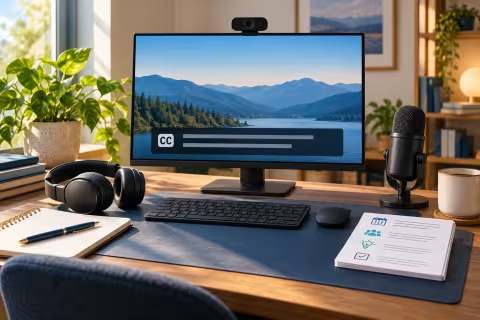
Cover image: AI-generated illustrative scene created specifically for this resource.